





How Many Creases Are There in Cricket?


Cricket has several markings on the pitch that help regulate how the game is played. One common question among new viewers and players is how many creases are there in cricket? These lines are essential because they determine where batters stand, where bowlers must deliver the ball from, and when a player is considered safe or out. Understanding the purpose of each crease helps fans follow match decisions more clearly and appreciate the structure of the game.


Understanding Cricket Pitch Markings
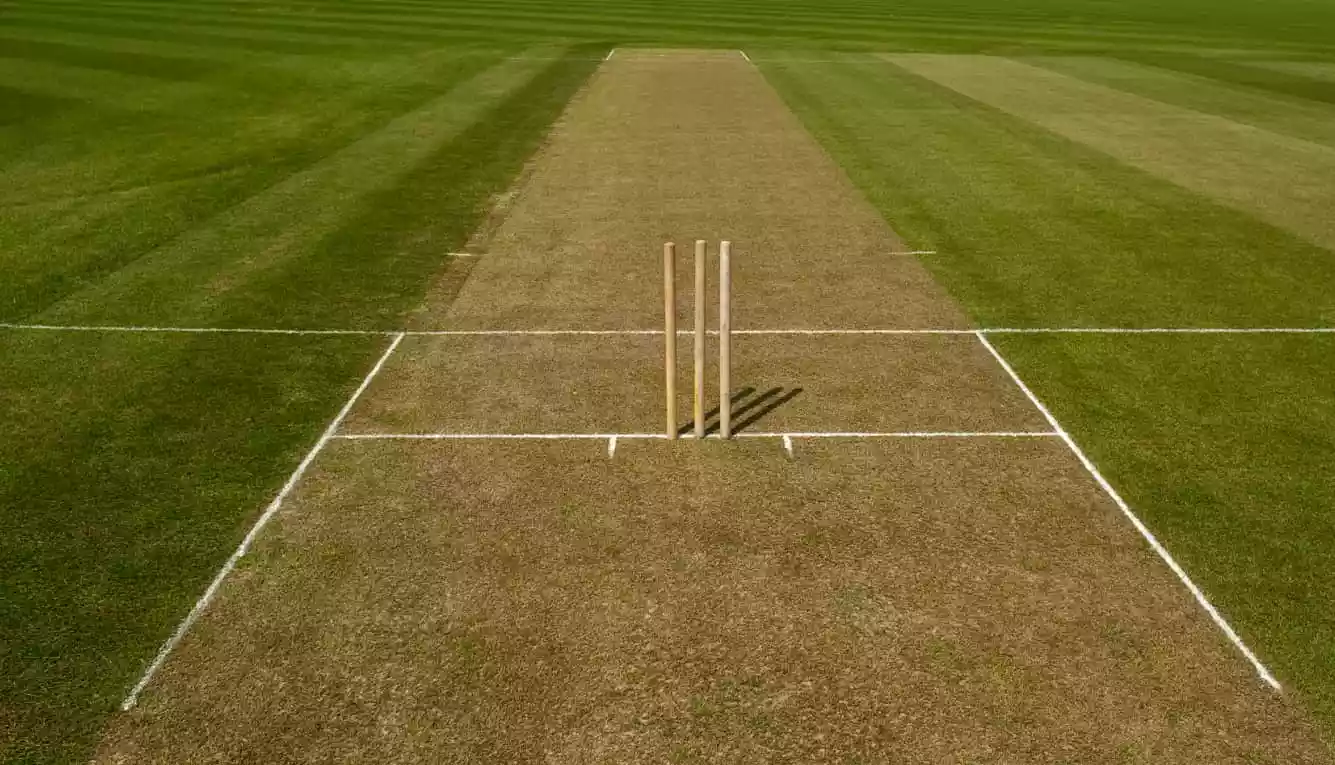
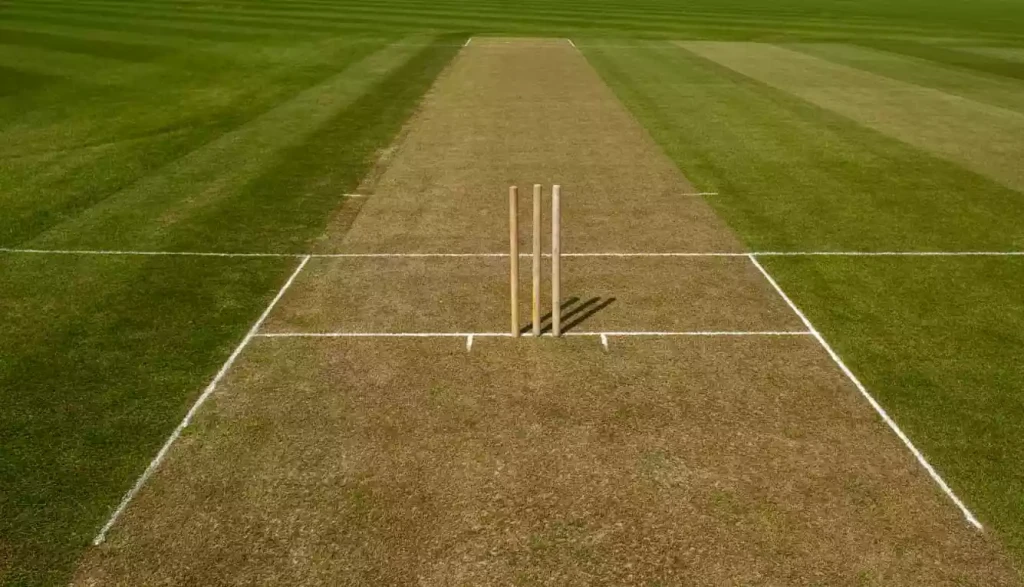
To answer the question how many creases are there in cricket?, it is important to first understand how the pitch is marked. The central strip of the cricket field contains a set of white lines known as creases. These lines guide both players and umpires during gameplay.
Each end of the pitch contains the same set of crease markings, positioned around the stumps. These lines define legal bowling areas, batting positions, and the boundaries used to judge run-outs or stumpings.
Although spectators often focus on the popping crease during dramatic match moments, the full crease system includes several different lines working together to structure play. Many cricket fans who follow matches or analysis through platforms like Vijaybet become more aware of these markings when close umpire decisions occur.
The Three Main Creases in Cricket
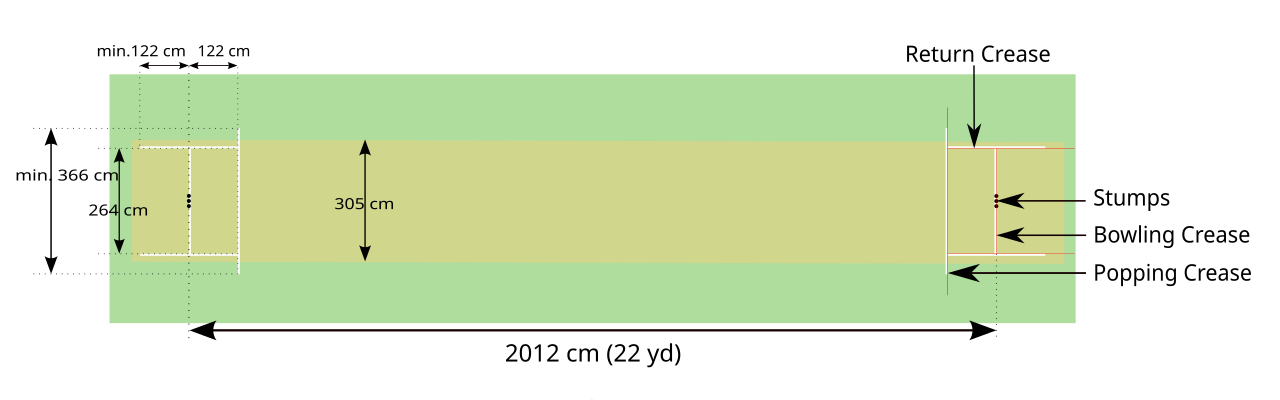
In standard cricket matches, there are three primary creases at each end of the pitch. Because the pitch has two ends, these lines appear twice across the field.
The three main creases are:
- Batting crease
- Bowling crease
- Popping crease
These creases define the core playing area around the wickets and are used constantly during match officiating.
Batting Crease
The batting crease runs directly through the stumps and marks the area where the batter takes position. While it does not appear in as many umpiring decisions as the popping crease, it still plays an important structural role on the pitch.
This crease helps define where the stumps are placed and establishes the reference point for the striker’s position when facing the bowler. It also forms part of the overall pitch layout used by ground staff when preparing cricket fields.
Bowling Crease
The bowling crease is another horizontal line that runs across the pitch and intersects with the return creases. Its purpose is primarily related to bowling regulations. This line marks the point from which the bowler delivers the ball and helps umpires judge whether the bowler has stayed within the legal delivery area. The crease also connects with other pitch markings that regulate a bowler’s movement during the run-up and release.
Popping Crease
Among all pitch markings, the popping crease is the most frequently referenced during matches. This line is positioned slightly in front of the batting crease and is used to judge many key moments in the game.
The popping crease determines whether a batter has safely reached their ground during a run. If a player’s bat or body is behind this line when the wicket is broken, they are considered safe. It is also used to determine whether a bowler has overstepped during delivery, which would result in a no-ball. Because of these roles, the popping crease often becomes the focus of slow-motion replays and umpire reviews in professional matches, including those followed by cricket fans on platforms like Vijaybet.
The Role of Return Creases
In addition to the three main creases, the pitch also includes return creases. These vertical lines extend backward from the bowling crease and define the sideways boundary for the bowler. Return creases ensure that bowlers deliver the ball from a legal position and prevent them from moving too far across the pitch when releasing the ball. If a bowler’s foot lands outside these lines, the delivery may be ruled illegal. Although return creases receive less attention than other markings, they are essential for maintaining fair bowling techniques and consistent officiating.
Summary of Cricket Creases
Crease Type | Purpose | Importance in the Game |
Batting Crease | Runs through the stumps | Defines batter position |
Bowling Crease | Delivery reference line | Controls legal bowling point |
Popping Crease | Safety line for batters | Used for run-out and no-ball decisions |
Return Crease | Side boundary for bowlers | Ensures legal bowling movement |
Together, these markings answer the question how many creases are there in cricket? While several lines exist on the pitch, the three primary creases and the return crease system define most gameplay decisions.
Why Understanding Creases Improves Cricket Viewing
Knowing how many creases are there in cricket? helps viewers understand many critical moments during a match. Umpires rely on these lines to determine whether a batter is safe, whether a bowler has delivered the ball legally, and whether a dismissal should stand.
For cricket fans who follow games closely, recognizing these pitch markings adds another level of appreciation to the sport. Many discussions among fans on platforms such as Vijaybet often revolve around crease positions when analyzing dramatic run-outs, no-balls, or close stumping decisions.